Every spring, the same thing happens across the Treasure Valley: the weather warms up, the grass starts greening, and homeowners start asking when they should turn on their sprinklers. It’s a fair question — start too early and you’re wasting water on a lawn that doesn’t need it yet; start too late and your grass pays the price. And if your system hasn’t been properly checked after winter, you might be in for an unwelcome surprise when you finally do flip that switch.
Here’s what you need to know about sprinkler startup timing in the Boise area, broken down by Water District — plus the key things our team checks on every startup visit to make sure your system is ready for the season ahead.
How Pressurized Irrigation Works in the Treasure Valley
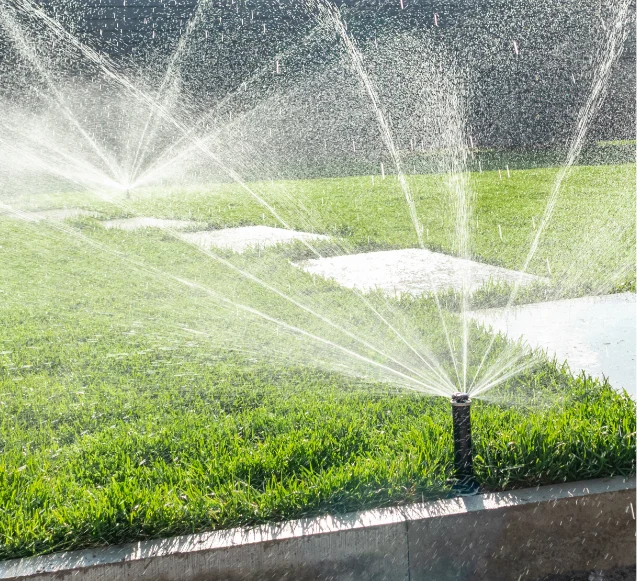
Before we get to dates, a little context is helpful. Most neighborhoods in the Boise metro area — Boise, Meridian, Eagle, Garden City, Nampa, Kuna, and beyond — receive pressurized irrigation water through their HOA, which in turn works with one of several local Water Districts. That water comes from the Boise River, gets diverted into canals, and then pumped into your neighborhood’s pressurized system.
The key thing to understand is that you don’t control when that water becomes available. Your Water District controls the timing. They fill and stabilize their canal system first, which typically takes about two weeks, and then pressurized irrigation water becomes available to subdivisions. Your HOA will notify you when it’s live — but knowing the approximate dates in advance lets you plan your startup ahead of time so you’re ready to go the moment water is available.
Not sure which district serves your neighborhood? The Idaho Department of Water Resources interactive irrigation map is a great tool — just find your address and it will show you which organization covers your area.
If your home is on city water or a private well rather than pressurized irrigation, most homeowners in the area follow the same approximate timeline as the Water Districts — generally targeting mid-April as the practical start of sprinkler season.
Sprinkler Startup Dates by Water District
Here’s a breakdown of the major irrigation districts serving the Treasure Valley and their typical seasonal schedules. Keep in mind that exact dates can shift by a week or two depending on snowpack, reservoir levels, and river conditions — your HOA or district will send out a notice with confirmed dates each year.
Nampa & Meridian Irrigation District (NMID)
Serves: Large portions of Meridian, Nampa, and surrounding areas — one of the largest irrigation districts in the Treasure Valley, serving over 523 subdivisions across Ada and Canyon counties.
- Canal filling begins: Approximately April 1–2
- Full pressurized delivery available: Approximately April 15
- Season end: Approximately the first week of October
NMID begins filling the Ridenbaugh Canal — which stretches 42 miles through the valley — in early April, and it takes roughly two weeks before full pressure is available throughout the system. April 15 is the consistent target date year over year, making it the most predictable of the area districts. Visit nmid.org for announcements, water order information, and to confirm your annual startup date.
Boise City Canal Company (BCCC)
Serves: Many Boise neighborhoods — particularly in the North End and surrounding areas — with pressurized irrigation fed through the Boise City Canal system, which runs from Warm Springs Avenue and terminates near Collister and Hill Road.
- Water available: Approximately April 15
- Full system pressure: Approximately April 21
- Season end: Approximately October 15
BCCC consistently targets April 15 as the start of water delivery, with full pressure reaching the system by approximately April 21. In drought years, water availability can be reduced — BCCC communicates drought impacts to users in advance. Visit boisecitycanal.org for seasonal updates and to pay your annual assessment.
City of Boise Pressure Irrigation System
Serves: Selected subdivisions within Boise city limits where the City of Boise directly operates and bills for pressurized irrigation. Not all Boise neighborhoods are on this system — check with your HOA or the City of Boise Public Works department to confirm.
- Activated: April (specific date announced annually)
- Watering schedule: Even-numbered addresses water on even calendar days; odd addresses on odd days
The City of Boise system is unique in that it operates on a set alternating-day schedule based on your address — and the system can only support a limited number of homes running simultaneously, so sticking to your assigned schedule matters. Check the City of Boise Pressure Irrigation page for your subdivision’s activation date each spring.
Settlers Irrigation District
Serves: Many subdivisions in the Eagle and north Meridian areas.
- Typical turn-on: Mid-to-late April (exact date confirmed annually)
- Season end: Approximately October 10–13
Settlers Irrigation typically delivers water sometime in April — the exact date depends on spring conditions and is confirmed each year. Watch your HOA communications or visit settlersirrigation.org for the official date and any water emergency contact information.
New York Irrigation District
Serves: Portions of the Garden City and northwest Boise areas.
- Typical turn-on: Mid-April, consistent with other area districts
- Contact: (208) 378-1023
New York Irrigation District follows similar timing to other Treasure Valley districts. Visit nyid.org or contact them directly for confirmed dates each spring.
Boise-Kuna Irrigation District
Serves: Portions of south Boise and the Kuna area.
- Typical turn-on: Mid-April, consistent with other area districts
- Contact: (208) 922-5608
Boise-Kuna Irrigation District follows the same general mid-April timeline as other Treasure Valley districts. Contact them directly or check with your HOA for the confirmed annual date. A full list of district contacts for the area is also available through the City of Meridian’s irrigation resource page.
Regardless of which district serves your neighborhood, the practical takeaway is the same: target mid-April to have your sprinkler system checked and ready. When water comes on, your system should already be inspected, clean, and properly programmed.
What We Check on Every Sprinkler Startup Visit
Turning your sprinklers on isn’t just a matter of opening a valve. A proper startup inspection catches small problems before they become expensive ones. Here’s what our team goes through on every visit:
- Zone-by-zone testing. We run each zone individually to verify complete, even coverage across your lawn and planting beds. Gaps in coverage mean dry spots; overlapping zones mean overwatering and wasted water.
- Head inspection and filter cleaning. We visually inspect each sprinkler head for damage and clean the filters. Clogged filters restrict water flow and can leave uneven coverage you might not notice until dry spots appear in your lawn weeks later.
- Timer programming for spring conditions. We adjust your controller to run times appropriate for spring temperatures and daylight hours — not summer ones. This is one of the most important and most overlooked parts of a proper startup. More on this below.
- Backflow preventer inspection. We visually inspect your backflow preventer for cracks, leaks, or signs of freeze damage. This is the most expensive component to replace if it was damaged over winter — catching a problem early is far cheaper than dealing with a failed backflow preventer mid-season.
The Most Common (and Costly) Sprinkler Mistakes We See Every Spring
Skipping the Fall Blowout
The most expensive damage we encounter in spring is damage that was created the previous fall. When a sprinkler system isn’t properly blown out before the ground freezes, water that remains in the lines and heads expands as it freezes. The result: cracked sprinkler lines, broken heads, and in the worst cases, a cracked or shattered backflow preventer — which is the single most expensive component in a residential irrigation system to replace.
A proper fall blowout using compressed air clears all the water from your system before temperatures drop. If you’re not sure whether your system was properly winterized last fall, a startup inspection this spring is especially important.
Leaving Your Timer on Summer Settings
Here’s something that surprises a lot of homeowners: the watering schedule that worked great in July is completely wrong for April — and running it in early spring can actually harm your lawn.
In the heat of a Boise summer, your lawn needs significant irrigation to stay healthy. But in April and May, temperatures are cooler, days are shorter, and your grass is just coming out of dormancy. Running summer-level irrigation in spring overwaters your lawn, encourages shallow root growth, and can lead to fungal issues. It also wastes water and money.
As a rule of thumb, spring watering times should be set significantly lower than your summer schedule — often 40–50% less. Your controller should be adjusted upward gradually as temperatures climb through May and June. Dialing in your timer for the season — not the previous summer — is one of the first things we take care of on every startup visit.
Schedule Your Startup Before the Water Comes On
Our recommendation: don’t wait until your HOA sends the “water is on” notice to call. By then, everyone calls at once and scheduling fills up fast. The best time to book your sprinkler startup is a week or two before mid-April, so when your pressurized irrigation comes to life, your system is already inspected, your heads are clean, and your timer is set correctly for spring.
Alive & Green serves homeowners and commercial properties throughout Boise, Meridian, Eagle, Garden City, and Kuna. Give us a call or request a free quote online — we’d love to help you start the season right.
1-208-398-0357
Request a free quote at Alive-Green.com